
When I think about space travel I’m always amazed by just how fast humanity can move beyond our planet. The idea of racing through the solar system at mind-boggling speeds feels like something straight out of science fiction. Yet over the years engineers and scientists have built spacecraft that break records and redefine what’s possible.
I find it incredible that some of these machines travel faster than anything else humans have ever created. But what exactly is the fastest spacecraft ever launched? Let’s explore the thrilling world of high-speed space exploration and discover which spacecraft holds the record for speed.
Defining Speed in Space Travel
I measure speed in space by calculating how far a spacecraft moves relative to a defined frame, such as the Sun or Earth, measured in kilometers per second (km/s). I base spacecraft speed records on the highest velocity achieved relative to the Sun, since this heliocentric speed shows a craft’s fastest motion through space, not just its speed from Earth’s surface. I prioritize heliocentric speed for record comparisons because gravitational assists from planets can accelerate spacecraft far beyond launch speeds, as exemplified by the Parker Solar Probe and Helios 2 missions. I assess top speeds at specific mission phases—perihelion for solar probes, for example—to ensure accurate and comparable records in the context of space travel.
Notable Record-Holding Spacecraft
Spacecraft built to explore the solar system have reached unprecedented velocities. I see a clear progression in speed records, with each new mission surpassing the last through innovative engineering.
Helios Probes: Early Speed Champions
Helios 1 and Helios 2 set early speed records for solar system exploration. I note that Helios 2, also called Helios-B, achieved a top speed of about 157,078 miles per hour (252,792 km/h) during its close approach to the Sun in the 1970s. These German-American joint probes paved the way for later missions using solar proximity and gravitational assists for velocity gains.
Parker Solar Probe: Current Fastest Spacecraft
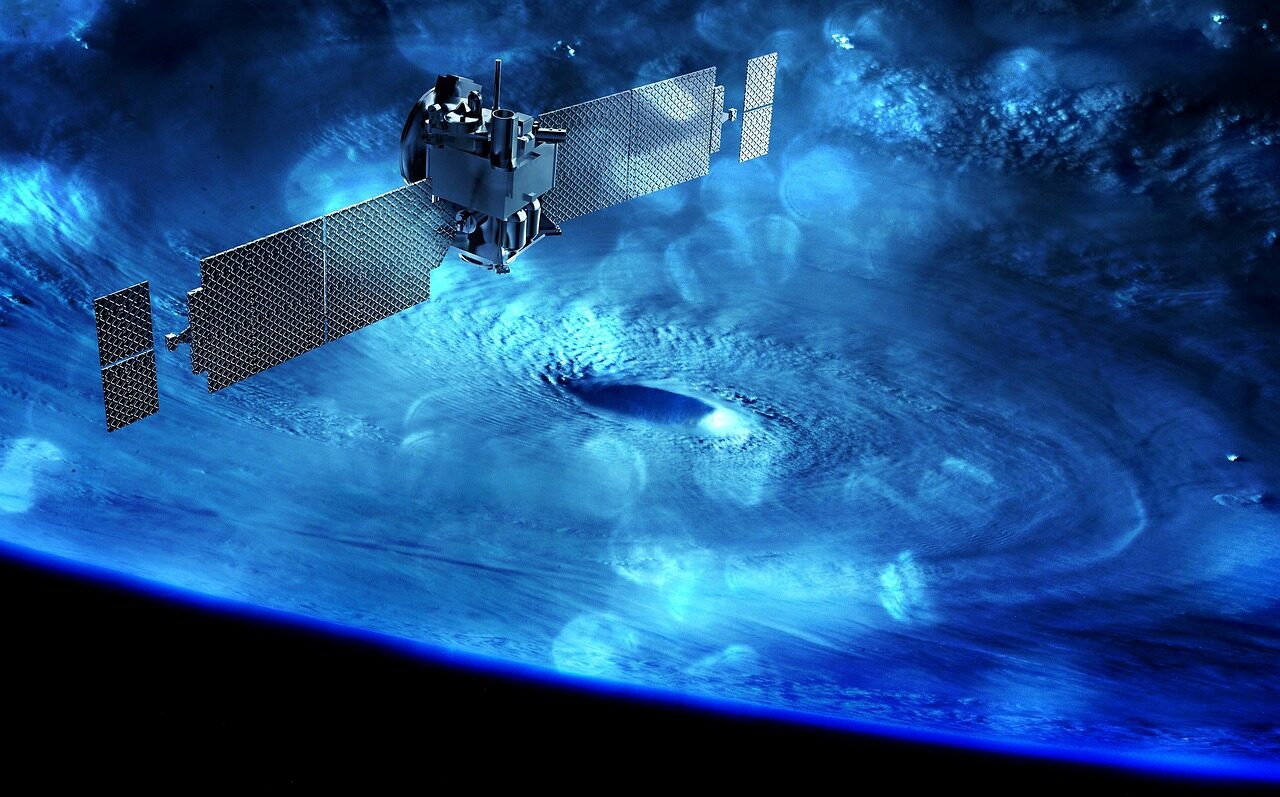
NASA’s Parker Solar Probe now holds the record as the fastest spacecraft. I recognize that, during its December 24, 2024 perihelion, it reached speeds up to 430,000 miles per hour (692,000 km/h) as it flew just 3.8 million miles (6.1 million km) from the Sun. Parker Solar Probe’s design, including advanced shielding to withstand 2,500 degrees Fahrenheit (1,371°C), allows unmatched solar approach and speed.
Other Remarkable High-Speed Missions
Several interplanetary missions have also achieved high velocities. I point to New Horizons, which passed Pluto after launch in 2006, as one of the fastest outbound probes from Earth, though it remains much slower than Parker Solar Probe at perihelion. Upcoming mission designs continue to target even greater speeds, aiming toward interstellar objectives as technology evolves.
Factors Influencing Spacecraft Speed
Spacecraft speed in deep space depends on a combination of route planning, clever maneuvers, and advanced propulsion. I observe two critical vectors—gravitational assists and propulsion technologies—that set apart the fastest missions ever launched.
Gravitational Assists
Gravitational assists give spacecraft a velocity boost by using the gravity of planets as slingshots. I see major examples in missions like Voyager 2, which gained over 15 km/s by flying close to Jupiter and Saturn. The Parker Solar Probe also uses multiple Venus flybys, gaining speed every orbit and pushing the limits near the Sun’s gravitational well. By following carefully calculated routes, engineers harness planetary gravity to increase velocity without using much fuel, making missions faster and more efficient.
Propulsion Technologies
Propulsion technologies determine the initial and overall speed a spacecraft can achieve after launch. I note that chemical rockets provide powerful yet short-lived thrust, typified by launch vehicles like the Delta IV Heavy. Ion thrusters and solar sails offer slow but sustained acceleration, especially useful for deep-space missions with lighter payloads. Most missions, including the Parker Solar Probe, rely on a combination of strong rocket launches and downstream gravity assists. The limitations of fuel mass, as described by the rocket equation, make it critical to balance propulsion with clever course design to maximize velocity for record-breaking missions.
The Quest for Even Faster Spacecraft
Pushing the limits of spacecraft speed, I see major agencies and engineers exploring new propulsion concepts and mission architectures. Gravitational assists like those perfected by the Parker Solar Probe remain vital, though research into sustained propulsion drives has accelerated.
Pulsed fusion engines, for example, offer the potential for much higher acceleration than current chemical rockets. Laser-propelled lightsails, such as those proposed by Breakthrough Starshot for interstellar probes, could theoretically propel gram-scale spacecraft to 20% the speed of light in under 20 years. If material and control challenges are overcome, these approaches could eclipse the Parker Solar Probe’s velocity by orders of magnitude.
Innovators also examine antimatter engines and advanced ion drives. Although prototypes haven’t matched the velocities of gravitationally assisted probes, they highlight the ongoing shift toward continuous high-efficiency propulsion.
In every new design, mission planners weigh destination, available technology, and required scientific return. Each pursuit to surpass the Parker Solar Probe’s speed record drives refinements in both spacecraft materials and operation in extreme conditions. I recognize that the process demands not just raw power but intricate optimization of trajectory, timing, and spacecraft resilience.
Conclusion
The race to build the fastest spacecraft pushes the boundaries of what we know about engineering, physics, and the universe itself. Every record broken inspires new ideas and fuels the ambition to travel farther and faster. As I look ahead, I’m excited about the breakthroughs on the horizon—each mission brings us closer to exploring the cosmos at unimaginable speeds. The journey doesn’t end with today’s records; it’s only just beginning.
Frequently Asked Questions
What is the fastest spacecraft ever launched?
The fastest spacecraft ever launched is NASA’s Parker Solar Probe. It reached a top speed of about 430,000 miles per hour (692,000 km/h) during its closest approach to the Sun (perihelion) on December 24, 2024.
How is spacecraft speed measured in space?
Spacecraft speed is typically measured in kilometers per second (km/s) relative to a reference point, such as the Sun (heliocentric speed) or Earth. For record comparisons, heliocentric speed is most commonly used.
What technologies help spacecraft achieve high speeds?
Key technologies include powerful chemical rockets, advanced ion thrusters, and solar sails. Additionally, gravitational assists—using the gravity of planets to boost velocity—play a crucial role in achieving record-breaking speeds.
How do gravitational assists increase spacecraft speed?
Gravitational assists use a planet’s gravity to change a spacecraft’s trajectory and boost its speed, allowing the spacecraft to travel faster without using more fuel. Missions like the Voyager probes and Parker Solar Probe rely on this technique.
Why does the Parker Solar Probe travel so fast?
The Parker Solar Probe’s high speed is due to its trajectory that brings it extremely close to the Sun, combined with multiple gravitational assists from Venus and advanced heat-resistant materials that withstand the Sun’s intense environment.
Which spacecraft held the speed record before the Parker Solar Probe?
Before the Parker Solar Probe, the Helios 2 solar probe held the speed record. It reached about 157,078 miles per hour (252,792 km/h) during its close approach to the Sun in the 1970s.
Are current spacecraft technologies near their speed limits?
While current technologies allow impressive speeds, new propulsion concepts—like pulsed fusion engines, lightsails, and advanced ion drives—are being researched to help future spacecraft go even faster.
Could future spacecraft travel at a significant fraction of the speed of light?
Theoretically, yes. Concepts like laser-propelled lightsails might allow probes to reach up to 20% of the speed of light, though such missions require significant advances in technology and engineering.
How is the top speed of a spacecraft determined during its mission?
The top speed is usually recorded at a specific phase of the mission, like perihelion for solar probes, when the spacecraft is closest to the Sun and moving the fastest in its orbit.
Why is breaking speed records in space exploration important?
Breaking speed records enables shorter travel times, faster delivery of data, and opens new possibilities for deep space and interstellar exploration. Achieving higher speeds also drives innovation in spacecraft engineering and materials.