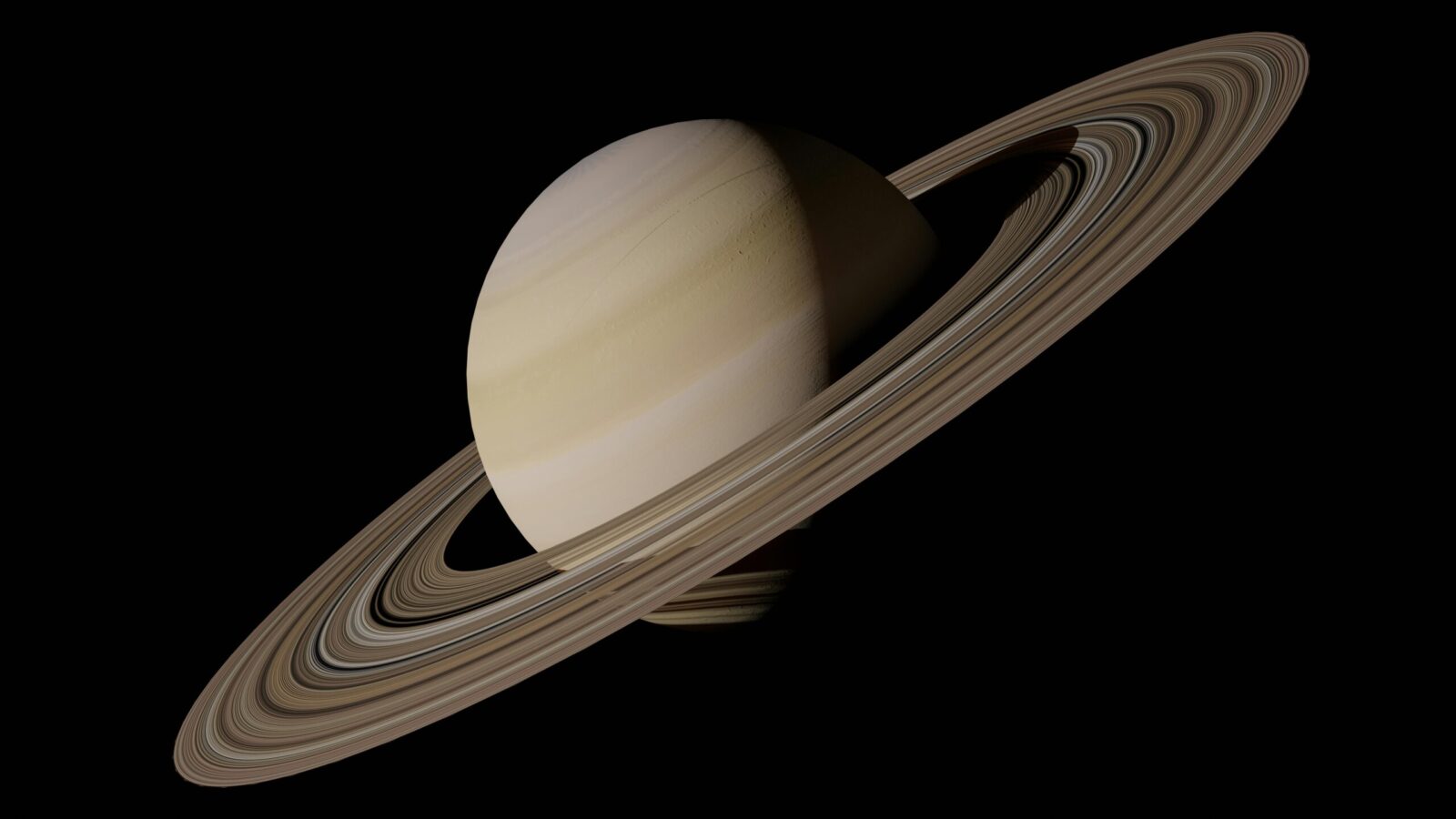

Ever since I first looked up at the night sky, Saturn’s rings have fascinated me. There’s something magical about spotting that distant, golden planet with my own eyes. But if you’re like me, you might wonder what kind of telescope you actually need to see Saturn and its famous rings.
The good news is you don’t need a giant observatory to get a glimpse. With the right telescope, even beginners can catch Saturn’s stunning beauty from their own backyard. Let me walk you through what to look for so you can experience Saturn for yourself.
Understanding Saturn Observation
Observing Saturn requires clear skies and minimal light pollution. I find the planet brightest from June to September, when it reaches opposition and shines in the constellation Aquarius or Capricornus. Saturn’s golden hue stands out even to the naked eye, but distinguishing its unique features depends on telescope capabilities.
Through entry-level telescopes with 50mm to 70mm aperture, I can easily spot Saturn’s oval shape and the hint of its ring system. Increasing aperture to 90mm or 114mm provides sharper resolution, letting me see the ring gap known as the Cassini Division in high-quality conditions. I notice further enhancements in planet detail and ring structure with apertures above 130mm.
High magnification enhances Saturn viewings, though atmospheric turbulence can limit image sharpness. I usually keep magnification between 80x and 150x for stable, clear images of Saturn’s rings and its largest moon, Titan. Collimated optics, slow-motion controls, and sturdy mounts contribute to steady views, especially at higher powers.
Sky clarity and patience affect observation success. I check weather charts for transparency and wait for moments of atmospheric steadiness—‘good seeing’—to take in Saturn’s iconic rings and subtle cloud bands. Each time I focus on Saturn, I confirm how the right telescope setup transforms my experience of this ringed giant.
Key Telescope Types for Viewing Saturn
Telescopes differ in design, optics, and price, which directly shape the view of Saturn I experience. I find three main types—refractor, reflector, and compound telescopes—excel for planetary observation.
Refractor Telescopes
Refractor telescopes use glass lenses to gather light and deliver crisp, bright images of Saturn. I get clear planetary views even with a basic 60mm (2.4-inch) model, though a jump to 80mm or 100mm reveals more of the rings’ detail. Brands like National Geographic offer 70-80mm refractors ideal for beginners who want to spot Saturn’s oval shape and major ring structure.
Reflector Telescopes
Reflector telescopes use mirrors, making larger apertures affordable. Starting at 76mm, I notice Saturn’s rings and some moon companions, as seen through entry models like the National Geographic 76mm Compact Reflector. Larger reflectors, such as those above 100mm, reveal the Cassini Division and subtle ring shadows under steady skies.
Compound Telescopes
Compound telescopes, like Schmidt-Cassegrain models, combine lenses and mirrors for sharp, high-contrast images. When I observe Saturn with an 8-inch scope, such as the Celestron NexStar 8SE, I easily discern the planet’s major belts and detailed ring divisions. Compound telescopes excel for both visual views and astrophotography of Saturn thanks to superior light gathering and compact design.
Important Features to Consider
Focusing on the right features in a telescope makes observing Saturn more rewarding. I always look closely at aperture and magnification when deciding what will show Saturn’s rings and atmospheric details best.
Aperture Size
Aperture size refers to the diameter of the telescope’s primary lens or mirror. Larger apertures collect more light, giving me brighter and sharper views of Saturn and its rings. Entry-level telescopes with a 60mm (2.4-inch) aperture let me see the planet and distinguish the rings. Telescopes in the 80mm to 125mm (3.1 to 5-inch) range reveal clearer ring divisions and surface details, even in city skies. I get the richest, most detailed Saturn images with compound models or reflectors offering 100mm (4 inches) aperture or more, especially under dark-sky conditions.
Magnification Power
Magnification power determines how large Saturn appears in my eyepiece. Low magnification at 25x shows me Saturn’s rings and the bright moon Titan, suitable for smaller telescopes. Increasing magnification to 50x or 60x lets me see the ring gap and planet features with greater clarity on typical refractor and reflector designs. If I’m using a steady mount and good optics, magnifications from 100x to 150x unlock subtle banding and fine ring structure, but atmospheric turbulence can limit those high powers, especially on humid or turbulent nights.
Recommended Telescopes That Can See Saturn
Many telescopes let me see Saturn’s rings, but clarity depends on aperture, optics, and stability. Entry models reveal the planet’s shape and rings, while advanced designs show faint moon dots and cloud bands.
Best Budget Options
Budget telescopes display Saturn’s rings and easily show the planet’s oval disk. Models like the National Geographic 76mm Compact Reflector and the National Geographic CF700SM 70mm Refractor each use apertures between 60mm and 80mm for beginner-friendly setups. The Explore FirstLight 80mm f/8 Refractor delivers a bump in detail thanks to a larger lens, especially under steady skies. Maksutov options like the Sarblue Mak60 and SarBlue Mak70 (60-70mm) add portable sharpness ideal for backyard observing. These telescopes handle 90x to 120x magnifications, sufficient for basic ring viewing on steady nights.
Mid-Range Choices
Mid-range telescopes bring Saturn’s features into sharper focus. The Sky-Watcher Heritage 130P Dobsonian and 150P offer 130mm and 150mm mirrors for noticeably brighter and more detailed planetary views compared to budget scopes. The Sky-Watcher Virtuoso GTi 150P adds computerized GoTo tracking, allowing me to lock onto Saturn with minimal effort. Celestron Inspire 100AZ, a 100mm refractor, presents Saturn’s rings and the Cassini Division under stable atmospheric conditions. These telescopes reach 150x to 200x magnification, resolving ring gaps and several of Saturn’s moons when seeing is steady.
High-End Telescopes
High-end telescopes deliver exceptional clarity of Saturn. Dobsonian models like the Apertura AD8, AD10, AD12, with apertures from 203mm to 305mm, unlock crisp, high-contrast views of Saturn’s rings, the Cassini Division, and multiple moons such as Titan or Rhea. The Sky-Watcher 12” FlexTube Collapsible Dobsonian achieves bright, detailed planetary imaging thanks to its massive aperture. Computerized options like the Celestron NexStar Evolution 8 (203mm) and CPC Deluxe 1100 EdgeHD (280mm) combine powerful optics with motorized tracking. These setups resolve fine rings, subtle atmospheric bands, and faint satellite companions, especially at magnifications up to 300x during optimal seeing.
Tips for Getting the Best View of Saturn
I always ensure my telescope is positioned on a solid, level surface before observing Saturn. Vibration disrupts planetary details, so steady ground and a stable mount keep Saturn’s rings and finer features crisp.
I start with a low-power eyepiece, between 25mm and 35mm, to locate Saturn in the sky. Swapping to a higher-power eyepiece, such as 10mm to 15mm, instantly brings out the Cassini Division and atmospheric bands when conditions are calm.
I check weather forecasts and choose cloudless nights with steady air for the sharpest view. Turbulent or hazy conditions soften Saturn’s detail, no matter the telescope’s optical quality.
I sometimes use color filters, especially on 8-inch or larger telescopes. A blue filter, for example, can increase contrast in Saturn’s clouds and rings, making subtle atmospheric bands easier to see.
I always find a comfortable viewing position, using a stool or table to support myself, since steadiness matters with high magnification. Tired arms or neck cause movement, which smears the planet’s crisp silhouette.
I avoid overly high magnifications above 200x unless the atmosphere is very stable, since pushing magnification past what seeing conditions allow only blurs Saturn’s features.
I regularly check that my telescope’s optics and eyepieces are clean and properly aligned, as dust or optical misalignment quickly reduces planetary detail.
I let my telescope acclimate to outside temperatures for at least 30 minutes to limit heat distortion, which improves the view of Saturn’s rings and moons.
I always turn off nearby lights and minimize my phone’s brightness to let my eyes adapt to the darkness, because dark adaptation makes fainter Saturnian moons and ring details stand out.
Conclusion
Watching Saturn through a telescope never loses its magic for me. With the right setup and a bit of patience, anyone can experience the thrill of seeing those iconic rings and distant moons.
No matter your budget or experience level, there’s a telescope out there that can bring Saturn’s beauty within reach. Every observation is a reminder of how accessible the wonders of our solar system can be with the right tools and a curious mind.
Frequently Asked Questions
What is the best time of year to observe Saturn?
The best time to observe Saturn is from June to September, when the planet is closest to Earth and appears brightest in the night sky.
Can I see Saturn’s rings with a beginner’s telescope?
Yes, even entry-level telescopes with an aperture of 60mm or more can reveal Saturn’s rings and its oval shape, though more details appear with larger apertures.
What type of telescope is best for viewing Saturn?
Both refractor and reflector telescopes work well. Refractors provide clear images with basic models, while reflectors offer larger apertures at affordable prices. Compound telescopes combine the strengths of both for sharp, versatile views.
How much magnification do I need to see Saturn’s rings clearly?
Magnification between 80x and 150x is recommended to see Saturn’s rings and some details. Higher magnifications show more, but require steady conditions and a stable setup.
Which features should I prioritize when choosing a telescope for Saturn?
Aperture size is most important. Larger apertures (80mm or more) collect more light and reveal finer details. Also look for stable mounts and quality optics.
Are there any budget telescopes recommended for observing Saturn?
Yes, budget models like the National Geographic 76mm Compact Reflector or Explore FirstLight 80mm f/8 Refractor are good choices for beginners.
Will I be able to see Saturn’s moons with a home telescope?
Many amateur telescopes can reveal several of Saturn’s moons as tiny points of light near the planet, especially with good sky conditions and larger apertures.
What practical tips help get the best view of Saturn?
Use a stable surface, start with a low-power eyepiece, and then switch to higher magnification. Let your telescope acclimate to the outdoor temperature, and avoid bright lights to preserve night vision.
Does light pollution affect viewing Saturn?
Yes, less light pollution and clear, dark skies greatly improve your ability to see Saturn and its ring details through a telescope.
Can I do astrophotography of Saturn with a beginner’s telescope?
Basic astrophotography is possible with some entry-level compound or refractor telescopes, especially if they support camera attachments. However, higher-end telescopes yield better results.