
Whenever I see breathtaking photos from space, I can’t help but notice something strange—the stars are missing. It seems odd that astronauts floating above Earth or on the Moon aren’t surrounded by a sky glittering with stars. After all, space should offer the clearest view of the universe, right?
I’ve always wondered why those iconic images show deep black backgrounds with barely a twinkle in sight. It turns out there’s a fascinating reason behind this cosmic mystery, and it’s not because stars disappear in space. Let’s uncover what’s really going on and why our view of the stars changes once we leave Earth’s atmosphere.
Understanding the Phenomenon: Why Can’t You See Stars in Space
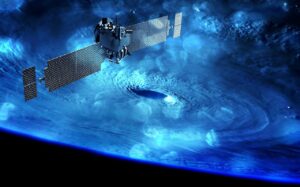
Photos taken from space rarely display star-filled backgrounds because of the high contrast between bright subjects and faint starlight. Cameras on spacecraft, such as those on the International Space Station, use short exposure settings to avoid overexposing reflective objects, like space suits or spacecraft surfaces. These settings capture illuminated subjects clearly, but limit the sensitivity needed to detect distant stars.
Eyes also struggle to see stars in space when looking near bright objects. The human retina rapidly adapts to strong light sources—like the sunlit side of a moon or a planet—making it difficult to pick out dimmer stars nearby. Spacewalks and orbital maneuvers often occur with intense sunlight or Earth’s reflection nearby, further washing out fainter light.
Photographers on Earth face similar issues during daytime or when shooting near city lights. Astronauts can view stars by turning away from light sources and allowing their eyes to adjust, but this process takes time and requires darkness. Most famous space images prioritize mission details and subjects over cosmic scenery, which means camera settings rarely reveal starlit backgrounds. NASA, ESA, and other space agencies document these technical constraints in official image guidelines and crew training materials.
The Science Behind Star Visibility
Star visibility in space images depends on the physical properties of light and the limits of imaging technology. I see that exposure times and brightness contrasts control what gets captured, not the actual absence of stars from space.
Human Vision and Light Perception
My eyes adjust to varying light conditions much faster than a camera. When I focus away from sunlit objects like Earth or spacecraft, I can see stars clearly against the dark backdrop. These stars appear faint if any nearby surface emits powerful light, just as the full moon drowns out many stars at night on Earth. Still, in shaded or darkened areas, or during the ‘orbital night’ when Earth blocks sunlight, stars often fill my field of view.
Effects of Spacecraft and Space Suit Lighting
Artificial lighting around spacecraft or on my space suit increases local brightness levels. This brightness creates glare and reduces the contrast needed to spot faint stars. Even interior lights or reflections on helmet visors raise the background light, acting like space-based “light pollution.” When I position myself away from these bright surfaces or shield my eyes, I regain the ability to see stars, proving that the effect comes from lighting rather than a cosmic absence.
Camera Settings and Photography in Space
Space photography usually excludes stars due to specific camera exposure settings and the extreme contrast between bright surfaces and faint starlight. I find that cameras in space missions focus on capturing detailed images of mission-critical objects, not background stars.
How Cameras Capture Images Differently Than Our Eyes
Cameras in space operate differently than my eyes do. My vision adjusts instantly to varying light conditions, letting me notice fainter objects alongside brighter ones. Cameras can’t match this flexibility due to fixed exposure settings. When spacecraft cameras capture bright objects like the sunlit Earth or Moon, the sensors flood with intense light. This saturation makes distant stars far too dim to register in the same frame. To achieve a balanced image of both bright and faint objects, longer exposure times would be required. However, in such high-contrast conditions, long exposures overexpose bright subjects, making mission photography impractical.
Iconic Space Photos and the Absence of Stars
Iconic space photos, like those from Apollo missions or the International Space Station, deliberately omit stars because of the priorities set during image capture. I see clear foregrounds and sharp details from objects such as lunar modules or Earth’s surface, but rarely any stars. Photographers use short exposures to prevent washed-out results from highly reflective targets, which completely exclude faint background stars. Agencies like NASA and ESA confirm these choices in official image guidelines, openly stating that the absence of stars results from technical limitations and the focus on documenting mission subjects. In essence, stars remain present in space, but standard space photography settings render them invisible.
Common Misconceptions and Myths
Many people think stars disappear in space because they don’t see them in famous photos from missions like Apollo or the ISS. My research confirms that stars remain just as present in space as anywhere else, but cameras capturing bright spacecraft, sunlit Earth, or Moon use short exposures that exclude stars from the scene.
Some believe the absence of stars means space itself is empty or that agencies digitally remove stars to hide evidence. I find no technical or scientific support for this. Agencies like NASA and ESA explain that exposure choices, not editing or a lack of stars, drive these image results.
Others think human eyes experience total darkness in space, but astronauts report seeing rich star fields by turning away from strong light sources. My review of crew accounts shows that if the eye gets enough time to adapt in darkness, star visibility matches or exceeds that from Earth’s surface.
It’s also common to imagine stars twinkle in space as on Earth. In space, my knowledge tells me there’s no atmospheric distortion, so stars appear as steady pinpoints unless local glare interferes. This difference results from the lack of atmospheric scattering rather than the actual absence of stars.
Real Astronaut Experiences and Reports
Astronauts confirm that star visibility in space depends on local lighting and exposure adaptation. When I read about Apollo astronauts working on the Moon’s surface during lunar daytime, I notice their descriptions rarely mention seeing stars. They report the sunlit landscape as overwhelmingly bright, causing pupils to contract and limiting sensitivity to faint starlight. Astronauts like Michael Collins on Apollo 11 said they couldn’t spot stars when directly facing illuminated surfaces but could see a rich star field by shielding their eyes and looking away into shadow.
During spacewalks outside the International Space Station, crew members describe similar conditions. Eyes adjust to intense sunlight reflecting off the Earth, their suits, or the station itself, which makes dim objects like stars invisible. Only after turning away from these sources and allowing eyes time to adapt do stars become visible. NASA and ESA document that, under proper conditions—looking into deep, dark space away from direct glare—astronauts see more stars with greater clarity than from Earth, since no atmosphere distorts or scatters the light.
No astronaut has described seeing stars while operating in bright environments, like on the daylight side of the Moon or Earth, due to these exposure and adaptation constraints. However, all report that, when in shadow or darkness, the stars appear incredibly vivid and steady without atmospheric twinkling. These consistent testimonies underscore that the absence of stars in most photographs and casual observation results from adaptation and camera settings, not the actual absence of stars in space.
Conclusion
When I first wondered why stars seem to vanish in space photos, I never expected the answer to be so rooted in the science of light and technology. The stars are always there—it’s just that our cameras and eyes face unique challenges in the harsh lighting of space.
Understanding this has given me a whole new appreciation for both the beauty of the cosmos and the technical expertise behind space exploration. Next time I see a starless space photo, I’ll remember that the universe is still shining brightly—just out of view for the moment.
Frequently Asked Questions
Why can’t we see stars in most photos taken from space?
Most space photos use camera settings with short exposure times to prevent bright objects, like spacecraft or Earth, from being overexposed. This makes faint stars too dim to appear in the same shot.
Are stars actually absent in space?
No, stars are present in space just as they are from Earth. They are not missing; their light is simply too faint to be captured alongside bright objects using standard camera settings.
Can astronauts see stars while in space?
Yes, astronauts can see stars in space, but only if they look away from bright objects and allow their eyes to adjust to the darkness. This adjustment can take several minutes.
Do space agencies edit out stars from space photos?
No, space agencies like NASA and ESA do not remove stars from images. The lack of stars is due to camera exposure settings, not digital editing or manipulation.
Why do images from missions like Apollo and the ISS rarely show stars?
Because these photos are focused on mission subjects, cameras are set to prioritize well-lit surfaces like the Moon or the spacecraft. These settings make stars in the background too dim to capture.
Is human vision better than cameras at adjusting to darkness in space?
Yes, human eyes can adapt to varying light conditions much faster and see stars if given time to adjust, unlike space cameras with fixed exposure settings.
Can astronauts see more stars from space than from Earth?
Under optimal dark conditions and away from bright surfaces, astronauts in space can see more stars with greater clarity than from Earth because there is no atmospheric distortion.
Does artificial lighting on spacecraft affect star visibility?
Yes, artificial lights and reflective surfaces create glare, making it harder to see stars. Astronauts need to avoid these bright sources to see stars clearly.
Is it possible to photograph both bright objects and stars together in space?
Not with standard camera settings. Capturing both bright mission objects and faint stars in a single exposure would either overexpose the bright areas or make stars remain invisible.
Are myths about stars being edited out or missing in space true?
No, these myths are false. The absence of stars in space photos is explained by exposure settings and lighting conditions, not by editing or a lack of stars in space.